
Third farm in Scotland confirms bluetongue virus in sheep


The Scottish Government said all three farms have been placed under restriction while investigations continue
The potentially fatal bluetongue virus has been detected on a third farm in south-west Scotland, the country’s chief veterinary officer has confirmed.
It has been found in a sheep on premises less than 2km from the existing two confirmed cases in the area.
The disease, which affects ruminant livestock like sheep and cows, was first detected on Kirkambreck farm near Newton Stewart, Dumfries and Galloway, on August 8.
A single lamb was affected.
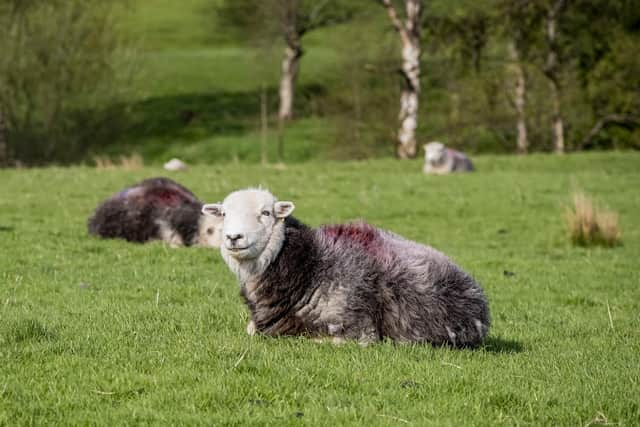
A second case of bluetongue serotype 3 (BTV-3) was confirmed in two sheep on a different farm on Wednesday August 12.
The Scottish Government said all three farms have been placed under restriction while investigations continue.
Chief veterinary officer Sheila Voas said: “Bluetongue has been detected on a third farm in south-west Scotland involving one sheep.
“This premises is less than 2km from the existing two confirmed cases (three individual animals) in the same parish.
“All three farms are under restriction while investigations, including testing other susceptible animals, are ongoing.
“Vaccination remains the best way of preventing disease in animals and I encourage all farmers to discuss this with their vets.”
All animals known to be affected have been euthanised.
Bluetongue only affects animals and does not affect humans or food safety.
It is mainly spread by biting midges.
It is a notifiable disease, meaning any suspected cases are legally required to be reported to the Animal and Plant Health Agency.
Symptoms include nasal discharge, redness and swelling of the lips, nose and muzzle, lameness or reluctance to stand, decreased milk production and diarrhoea in cattle.
It is also potentially fatal for affected animals.
Comments
Want to join the conversation? Please or to comment on this article.