
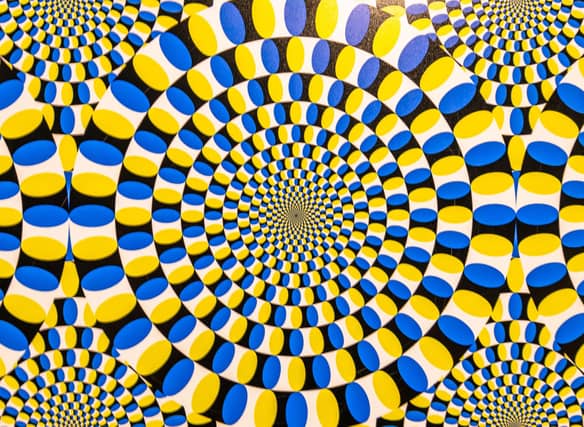

Defined as “something that deceives the eye by appearing to be other than it is.” - an optical illusion uses imagery to cause your brain/eyes to perceive things differently.
A 2D image can appear more 3D, or perhaps you see more than one thing within the image – either way, optical illusions have entertained and baffled for decades. They can really show how there can be a difference between perception and reality.
Optician at FeelGoodContacts.com, Tina Patel, explained how psychologists at the Universities of York and Glasgow have found staring at an optical illusion can improve visual acuity and allow you to see small print, thanks to something called expanding motion aftereffect, which causes you to see things as bigger than they are.
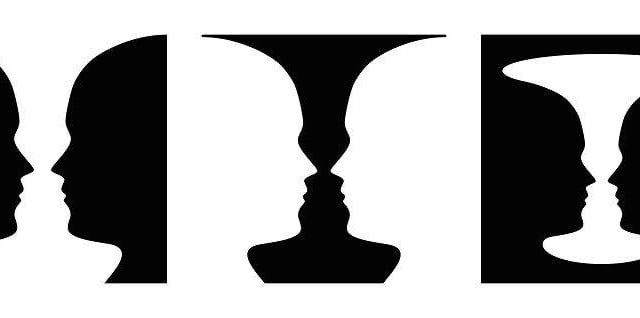
5. Vase or two people?
Can you see a vase in the picture, or can you see 2 people facing each other? This is a type of cognitive illusion, in which an image causes us to interpret it one or several ways, depending on the experience or assumptions we have about the world. Photo: Peter Hermes Furian
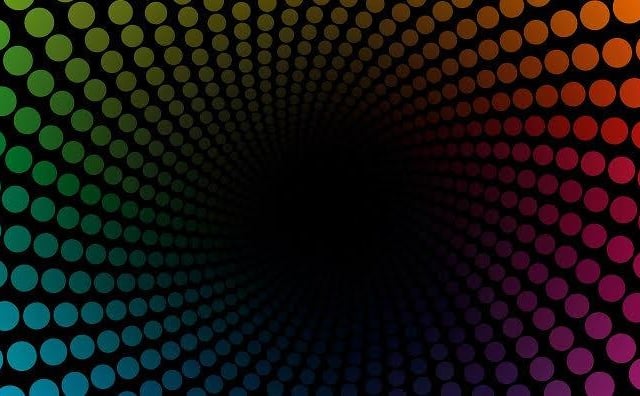
6. Colored spiral tube
When you stare into the centre of this image, the black part appears to take over and start moving! When we focus on things within the centre of our vision, things around that point in our peripheral vision appear to vanish, of course they don’t really vanish, it’s just an illusion. Photo: Peter Hermes Furian