
Why nutrition is the key to bodybuilding success, athletic performance and better overall health
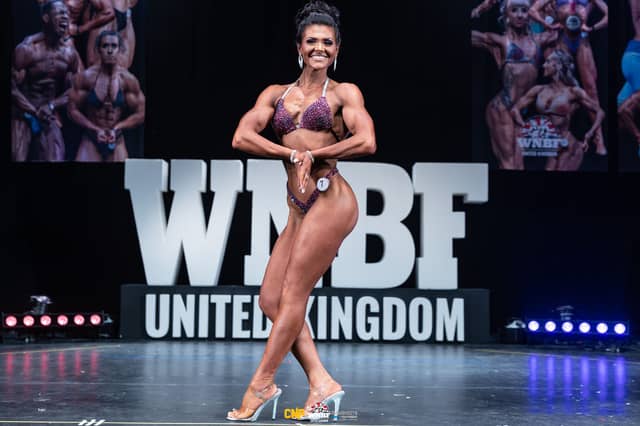

Training may grab the headlines but nutrition delivers the results for every successful physique, says World Champion Pro Natural Bodybuilder and Lecturer in Nutrition at Queen Margaret University, Edinburgh Dr Andrew Chappell.
Spend five minutes scrolling through fitness content online and you could be forgiven for thinking that success in bodybuilding and physique sports comes down to finding the perfect training programme.
Social media is awash with videos of gruelling workouts, cutting-edge exercises and supposedly revolutionary training techniques. The message is simple: Train harder, train longer and the results will follow.
The reality is rather different.

Of course, training matters. Athletes need to train consistently, progressively and intelligently. But after more than 20 years competing, coaching and researching within the natural bodybuilding community, I have come to a simple conclusion: If you want to build a winning physique, nutrition is the factor most people underestimate.
The old saying that "physiques are built in the kitchen" remains true.
Yet nutrition is often drowned out by misinformation. The fitness industry has become a breeding ground for fad diets, miracle supplements and self-proclaimed experts offering conflicting advice. Many athletes seek professional guidance because they are overwhelmed by the noise and simply want to know what the evidence actually says.
Having spent decades in the sport as a competitor, coach and consultant, I've learned that successful physiques are rarely built by accident. The athletes who consistently achieve their goals understand that nutrition deserves the same attention and discipline as training.
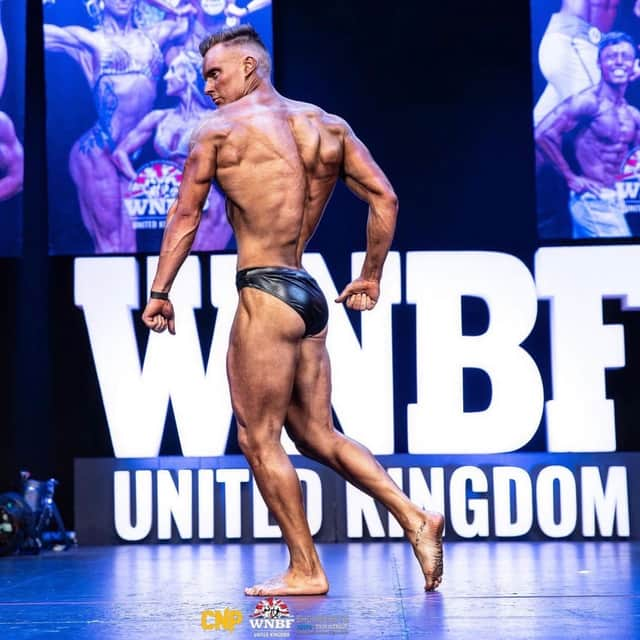
Bodybuilding is unlike many sports. Success isn't measured by how fast you can run or how much weight you can lift. Instead, athletes are judged on muscle mass, symmetry, conditioning and presentation.
Achieving those outcomes requires careful nutritional planning. Competitors spend months, and sometimes years, managing their food intake to build muscle while reducing body fat. Every decision matters, from energy intake and protein consumption to recovery and hydration.

The challenge isn't simply losing weight. It's preserving muscle, maintaining performance and protecting health while reaching exceptionally lean levels of body fat.
Unfortunately, the pressure to succeed can push some athletes towards unhealthy extremes. Every year I hear stories of competitors following crash diets and dangerous preparation strategies that promise rapid results. In some cases, athletes end up in hospital. While most recover, the physical and psychological consequences can linger long after competition day. But it doesn’t need to be that way.
Effective nutrition support isn't about handing someone a meal plan and hoping for the best. It's about creating an evidence-based strategy that fits an individual's physiology, lifestyle and goals.
Sports nutrition research has advanced dramatically over the past decade, improving our understanding of protein requirements, energy availability, supplementation and competition preparation. Qualified nutrition professionals play an important role in turning that science into practical advice, helping athletes make informed decisions rather than relying on online hype.
But nutrition isn't only about science. It's also about people.
Every athlete arrives with different motivations, pressures and challenges. A first-time competitor preparing for a local show needs a different approach from an experienced athlete chasing a national title.
Success depends not only on calories and macronutrients but also on behaviour, mindset and sustainability. The best nutritional support helps people build positive habits, maintain a healthy relationship with food and achieve their goals without compromising their wellbeing.
The lessons extend well beyond bodybuilding. Whether you're training for a marathon, competing in team sports or simply trying to improve your health, nutrition remains one of the most powerful tools available. It influences performance, recovery, body composition and overall health.
Yet it often receives far less attention than training.
Perhaps that's because training is visible. We can watch workouts, count sets and track personal bests. Nutrition, by comparison, happens quietly, meal by meal, day after day.
But that's precisely why it matters.
In a culture obsessed with training hacks, shortcut solutions and dramatic transformations, we've lost sight of a simple truth: No workout can compensate for consistently poor nutrition.
Demand for qualified nutrition professionals
For athletes and gym-goers alike, working with a qualified nutritionist can be the difference between following the latest fad and following evidence. Whether supporting elite performers, helping people manage long-term health conditions or improving public health, nutrition professionals play an increasingly important role in helping people make informed decisions about their wellbeing.
As awareness of nutrition's importance continues to grow, so too does demand for qualified nutrition professionals. At Queen Margaret University, Edinburgh, our BSc (Hons) Nutrition degree equips students with the scientific knowledge, practical skills and critical thinking needed for careers across sports nutrition, public health, food innovation, health promotion and research. It is a profession with the potential to improve performance, prevent disease and make a meaningful difference to people's lives and communities.
Training may grab the headlines, but nutrition delivers the results. Behind every successful physique lies not a secret workout or miracle supplement, but a nutritional strategy built on consistency, evidence and discipline.
Whether your goal is stepping onto a bodybuilding stage, crossing a marathon finish line or simply living a healthier life, the principle is the same: What fuels your body matters.
Get nutrition right and everything else becomes more effective. Ignore it, and even the best training programme will never help you reach your full potential.
Dr Andrew Chappell is a Lecturer in Nutrition at Queen Margaret University Edinburgh, an independent nutritional consultant and a World Champion Pro Natural Bodybuilder. His research focuses on sports nutrition, exercise science and specialist athletic populations including natural bodybuilders, physique athletes, powerlifters and strongmen.