
Drivers warned of stricter motoring laws abroad
Scottish motorists heading to Europe this summer are being urged to brush up on local motoring laws – or risk steep fines and even jail time.
With Spain and France topping the overseas destination list for tourists from Scotland, drivers may be caught out by far tougher legal limits and stricter enforcement.
Spain is set to reduce its drink drive limit this year to just 20mg of alcohol per 100ml of blood (0.20‰ BAC) – less than half the Scottish limit of 50mg – meaning even a single drink could tip drivers over the line. The change will bring Spain in line with countries like Sweden, Poland and Norway.
“In Spain, if you’re over the limit, you could be fined €1,000 or more,” says Hunter Abbott, Managing Director of personal breathalyser firm AlcoSense. “The safest approach is to avoid alcohol entirely before driving – or if in any doubt, self-test to check you're safe to drive, especially the morning after drinking.”
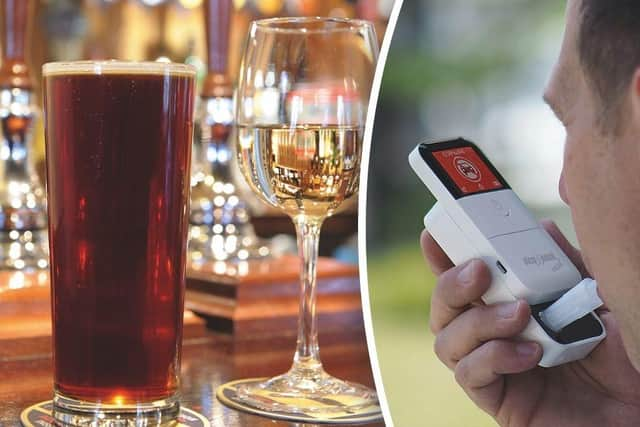

The warning comes as a Freedom of Information Request by AlcoSense reveals that Spanish authorities have submitted more than 37,000 requests to the UK’s DVLA since March 2023 to access British driver details – including 7,000 already this year.
The requests are part of a bilateral agreement allowing Spain to pursue UK motorists for offences like speeding, red light violations and drink driving - even once they’ve returned home.
Meanwhile, French authorities have continued to send tens of thousands of motoring fines to UK homes, despite no formal post-Brexit data-sharing agreement. A French government report has revealed that 62,780 fines were issued to UK-registered vehicles in 2023, up from 59,836 the previous year – even though the UK is no longer listed as a data-sharing ‘partner’.
How this is happening remains unclear, but enforcement is ramping up. France has dramatically stepped-up roadside testing after a rise in fatal accidents linked to alcohol or drugs. French police are 20 times more likely to breathalyse drivers than their UK counterparts. They test 109 drivers per 1,000 people, compared to just 5 per 1,000 in Britain. In Spain the figure is 96 per 1,000.
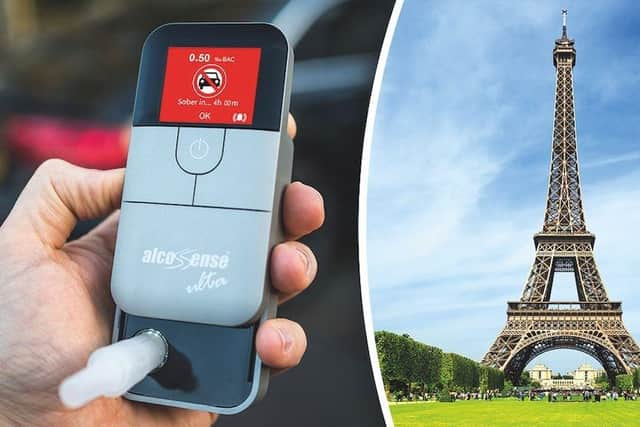
The legal limit in Scotland was reduced to 0.50‰ BAC in December 2014, the same as France, Germany, Italy and Portugal. However, most European countries have an even lower limit for professional and novice drivers – in Scotland, the limit applies to anyone behind the wheel.
In contrast, the limit for England, Wales and Northern Ireland is 0.80‰ BAC – by far the highest in Europe.
“The penalties abroad can be severe. In France you could face a €4,500 fine and up to two years in prison,” warns Abbott.
“Many drivers don’t realise that alcohol can stay in the system for hours after drinking – four large glasses of wine can take up to 14 hours to fully clear.”
Abbott recommends motorists take a twin-pack of certified single-use breathalysers when heading across the Channel to remove uncertainty. In France, it’s still advised (though no longer legally required) to carry a certified breathalyser in your vehicle.
“Whether you’re hiring a car abroad or driving your own, you’re subject to the local laws,” he adds.
“Random breath testing is carried out in all EU countries except Germany - whereas in the UK you can only be tested if you’ve committed a traffic offence, been involved in an accident or Police have reason to suspect you’ve been drinking.
“This makes it far more likely that you’ll be breathalysed abroad”.