
UK inflation falls to lower-than-expected 2.8% but relief will be short-lived
“Despite the fall in inflation in April, the UK still appears stuck in a 1970s-style economic backdrop of energy insecurity, persistent price pressures and growing political intervention in markets” – Susannah Streeter, Wealth Club
Any fall in inflation has to be welcome but last month’s easing in the annual rate of price increases is likely to have been a blip with Bank of England policymakers eyeing potential interest rate hikes as cost pressures relating to the Middle East conflict mount.
The latest data from the Office for National Statistics (ONS) showed that the headline consumer prices index (CPI) measure of inflation fell to 2.8 per cent in April, down from 3.3 per cent in March and marking the lowest level in just over a year. Last month’s fall was more than observers had been expecting, with an annual CPI rate of about 3 per cent pencilled in by most economists.
One of the chief drivers of the expected slowdown came from energy regulator Ofgem lowering its price cap from the start of this April by 7 per cent, or around a tenner a month for the average household using both electricity and gas. That fed through to the headline inflation number, as the annualised rate reflects a year on year comparison.


However, inflation is expected to resume its upward trend as the effects of the conflict in the Middle East feed through to higher prices for consumers, triggering a significant rise in the energy price cap from July when it is next reviewed. There are also fears that food inflation could approach double-digit territory later in the year unless a rapid resolution to the conflict is agreed.
As well as the lower energy price cap there was a slower increase in food prices last month. Many staples are still rising but there have been signs of deflation elsewhere, meaning that food and non-alcoholic beverage prices on the whole rose by 3 per cent in the 12 months to April, down from an annual rate of 3.7 per cent in March.
Inevitably, given what’s been happening at the pump of late, the largest upward contribution last month came from motor fuels. The average price of petrol rose by 16.6p per litre between March and April 2026, compared with a fall of 3p per litre during the same period last year. Clothing prices, meanwhile, remained relatively firm as retailers relied less heavily on discounting.
Susannah Streeter, chief investment strategist at Wealth Club, said: “Despite the fall in inflation in April, the UK still appears stuck in a 1970s-style economic backdrop of energy insecurity, persistent price pressures and growing political intervention in markets.
“The softer-than-expected inflation reading will come as welcome relief to policymakers and households, but concerns remain that higher energy costs and geopolitical tensions could yet feed through into prices in the months ahead.
“Until the Strait of Hormuz fully reopens and regional tensions ease, energy markets are likely to remain volatile, keeping governments, businesses and consumers under sustained financial pressure.”
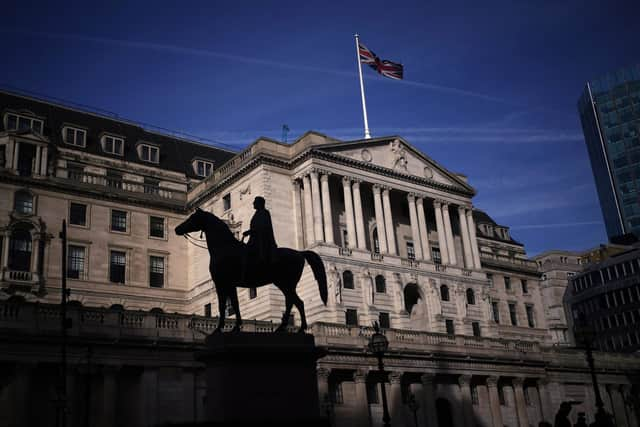
April’s inflation reading is unlikely to provide comfort to the Bank of England that inflation pressures are back under control. Up until the attacks on Iran, hopes had been high of at least a couple of interest rate cuts before the end of the year. The expectation now is for borrowing costs to remain as they are or move in the opposite direction, despite the central bank having little control over the real causes of the inflation spike.
Rob Morgan, chief investment analyst at Charles Stanley, part of Raymond James Wealth Management, said central bankers would be “hypersensitive” to anything that risks embedding another round of inflation, particularly after the shocks of Covid and the war in Ukraine.
“The [Bank of England’s] monetary policy committee needs more time to assess the impact and will resist jumping to any conclusions about the scale of disruption and extent of any pass through to core inflation,” he noted. “It is also clear from trends in the jobs market that businesses have limited ability to pass on costs without crushing demand, and this lack of ‘second round’ effects could stay the hand of policymakers contemplating increasing rates to combat the inflation spike.”
Thomas Pugh, chief economist at audit, tax and consulting firm RSM UK, said it was likely that the Bank of England would keep rates on hold next month following the lower-than-expected inflation number and this week’s weak labour market figures.
“The caveat is that the longer energy prices stay high, the more likely second-round effects are to emerge, and inflation-expectations are to become further de-anchored, which would force the Bank to raise rates,” he added.
The household energy price cap is predicted to rise by £209 a year from July amid the fallout of the Iran war and experts have already warned over an impending payment shock from the autumn as demand surges in the cooler months.
Suren Thiru, chief economist at accountancy body ICAEW, said: “April’s sharp slowdown [in inflation] is a last interlude before the Iran war-induced inflation storm hits, as Ofgem’s energy price cap reduction, aided by the Chancellor’s cut to green levies, helped temporarily lower the headline rate.
“These figures will feel bittersweet for rate-setters as inflation would have almost certainly fallen back to the Bank of England’s 2 per cent target in April had the Iran conflict not dramatically flipped the UK’s outlook from disinflation to stagflation.
“This decline could be the final fall in inflation this year, with surging fuel and food costs set to push it to 4 per cent this summer, particularly as July’s Ofgem price cap reset will mean eyewatering increases in household energy bills.”
Comments
Want to join the conversation? Please or to comment on this article.