


The Julian twelve-month calendar dates back to the reign of Julius Caesar in 46 BC. It replaced the former ten-month one but had its own problems. Thus, by 1582, the Gregorian Calendar was introduced and the British government adopted it as the country’s modus operandi in 1752. This is why many month names derived from Roman numbers are misleading.
In the ancient Roman system the new year started in March which is why September is derived from the Latin “septem” meaning seven despite it now being the ninth month. Many Scots were resistant to the change, however, as seasonal customs alive today attest to e.g., some Shetlanders celebrate Aald (Old) Christmas Day on January 6 in keeping with the old Julian calendar.
That said, many other Scottish customs are modelled on the Celtic calendar which was the land’s previous - and far more ancient - modus operandi. Broadly, it divided the year into two halves: the dark half (winter) and the bright one (summer). Darkness was thought to precede light which is why the year started with the dark half during Samhain; known today as Halloween.
The black and orange aesthetic of the Celtic festival represents these two halves which were symbolic of life and death. Many other customs observed in Scotland today also descend from the Celtic calendar including Lammas Day which heralded the start of harvesting time. Our forebearers were not on the land so much as they were of the land; Celts were firmly grounded in agrarian traditions and deeply connected to the environment which is reflected in their heritage languages e.g., Gaelic.
On Celtic atlases we see place names that, if you know how to read Scottish maps, reveal an ancient relationship between people and places as well as many natural (and sometimes supernatural) observations. For example, we have Ardnamurchan which is anglicised from the Gaelic for “Height of the Seals” revealing the area’s fauna. Other examples like Glenshee come from the Gaels’ description “Glen of the Fairies” which posed a warning to wanderers.
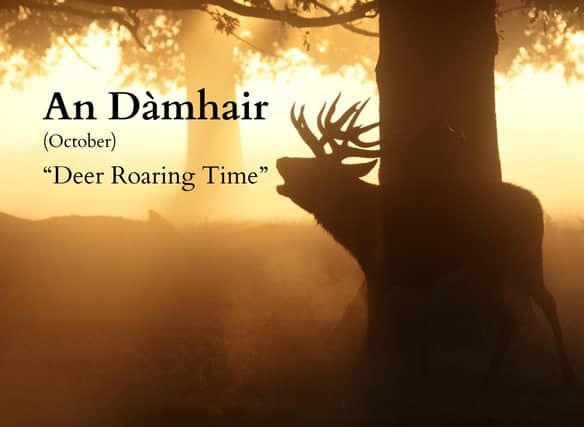
The same is true of Gaelic descriptions for months such as October which is “An Dàmhair” or “Deer Roaring Time” - a reference to the rutting season of Scotland’s Red Deer Stags who yell loudly to attract females at this time. As Nature Scot writes: “Gaelic names and folklore reveal how fundamental nature and all its benefits were to Scotland’s Gaels…”
They continue: “The Gaels knew that we’re all connected to the natural world, and that human life depends on nature for survival – something that’s as true today as it was back then.”
Halloween 2023 is just around the corner which means the Celtic New Year is upon us. In celebration, let’s take a look at the months and seasons of Scotland as they are known in our native Gaelic tongue.
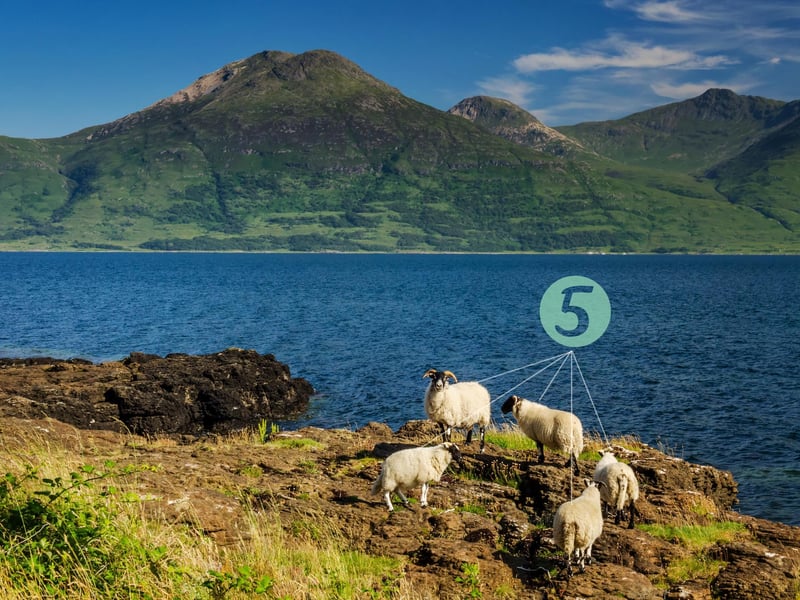
5. May | An Cèitean
Some Gaelic speakers know it as “A' Mhàigh” for Maia; a Greek goddess who May is named after. The month also goes by “An Cèitean” in the Gregorian Calendar which makes sense if we accept the idea that it comes from the word for five. Others believe it comes from “Cètshamain” which is another term for “bealtaine” i.e., an ancient festival halfway between the Spring Equinox and Summer Solstice. May was seen as the first month of summer or “samhradh” which has the ancient Indo-European root for the sun (samh) meaning heat. | Swen_Stroop from Getty Images
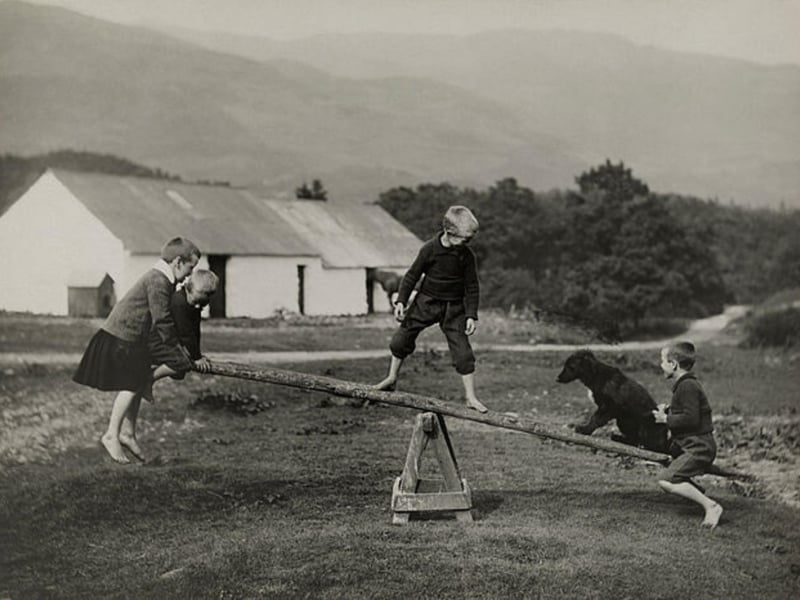
6. June | An t-Ògmhios
Closely associated with the Gaelic adjective “òg” which means young, June is thought to be the “youthful month” or “month of the young”. This may reflect the time when young animals would be sent to the slaughter. Or, just refer to the abundance of new life during the summer. Others have connected it to “Oghma” who, as the Collins Dictionary explains, is “a god of poetry and eloquence and the inventor of the ogham letters: one of the Tuatha De Danann.” In Celtic mythology “Tuatha De Danann” refers to the “tribe of the gods”. | Photographes du National Geographic via WikiCommons
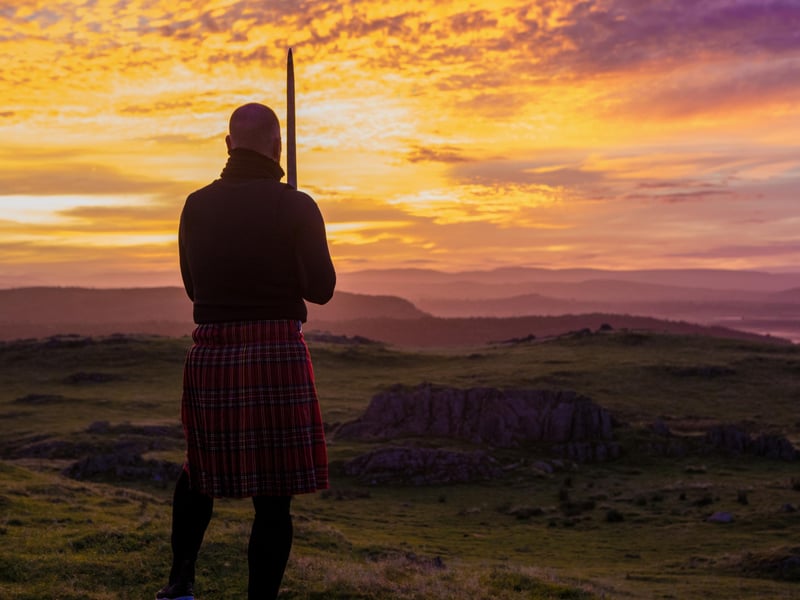
7. July | An t-Iuchar
As Scotland’s hottest month of the year, many accept the suggestion that this means “warm month” but it has been hotly debated. Raghnall MacilleDhuibh in ‘The Quern-Dust Calendar’ explains: “...an t-Iuchar (is) an ancient name for the ‘Bordertime’ between July and August.” He references James Macintyre who said: “It was also called Mios nan cnuimheag (worm month) no Mios nan cnoimheag ’s nan cuileag, as abounding so much in insects and putrefaction.” Some speculate that ‘warm’ and ‘worm’ were confused during translation. | Lorado from Getty Images Signature
8. August | Lùnastal
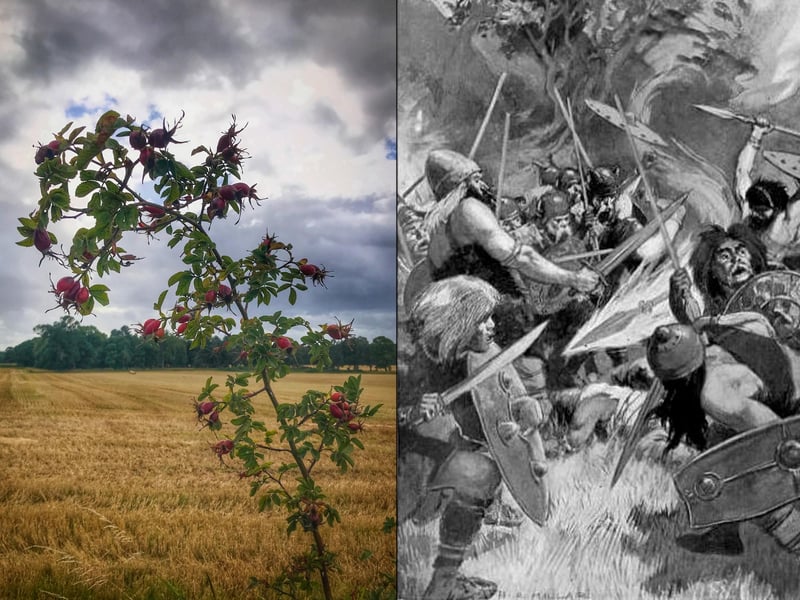
This was the time of year when harvest festivals were in full swing. The name “Lùnastal” is said to be connected to the Celtic God Lùgh who, aside from being known as a skilled warrior, is regarded as a god of the sun and light. This is why many consider him the god of harvests and why he is tied to August as his name comes from the root words for shining bright and it may refer to the long clear days of this month (or the lightning that emerges from the humidity). To this day such festivals like Lammas take place in Scotland at this time. | Jessica Wagener from Getty Images / Harold Robert Millar via WikiCommons