


The Julian twelve-month calendar dates back to the reign of Julius Caesar in 46 BC. It replaced the former ten-month one but had its own problems. Thus, by 1582, the Gregorian Calendar was introduced and the British government adopted it as the country’s modus operandi in 1752. This is why many month names derived from Roman numbers are misleading.
In the ancient Roman system the new year started in March which is why September is derived from the Latin “septem” meaning seven despite it now being the ninth month. Many Scots were resistant to the change, however, as seasonal customs alive today attest to e.g., some Shetlanders celebrate Aald (Old) Christmas Day on January 6 in keeping with the old Julian calendar.
That said, many other Scottish customs are modelled on the Celtic calendar which was the land’s previous - and far more ancient - modus operandi. Broadly, it divided the year into two halves: the dark half (winter) and the bright one (summer). Darkness was thought to precede light which is why the year started with the dark half during Samhain; known today as Halloween.
The black and orange aesthetic of the Celtic festival represents these two halves which were symbolic of life and death. Many other customs observed in Scotland today also descend from the Celtic calendar including Lammas Day which heralded the start of harvesting time. Our forebearers were not on the land so much as they were of the land; Celts were firmly grounded in agrarian traditions and deeply connected to the environment which is reflected in their heritage languages e.g., Gaelic.
On Celtic atlases we see place names that, if you know how to read Scottish maps, reveal an ancient relationship between people and places as well as many natural (and sometimes supernatural) observations. For example, we have Ardnamurchan which is anglicised from the Gaelic for “Height of the Seals” revealing the area’s fauna. Other examples like Glenshee come from the Gaels’ description “Glen of the Fairies” which posed a warning to wanderers.
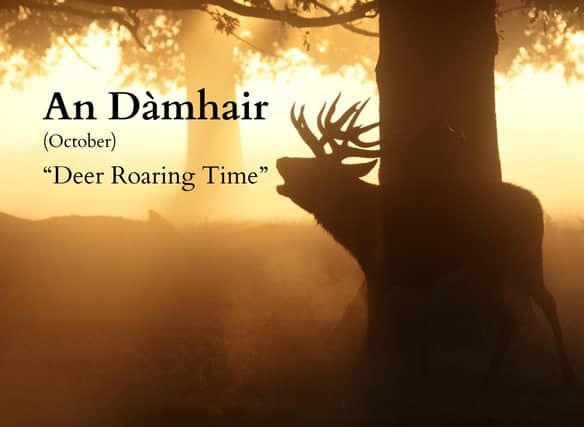
The same is true of Gaelic descriptions for months such as October which is “An Dàmhair” or “Deer Roaring Time” - a reference to the rutting season of Scotland’s Red Deer Stags who yell loudly to attract females at this time. As Nature Scot writes: “Gaelic names and folklore reveal how fundamental nature and all its benefits were to Scotland’s Gaels…”
They continue: “The Gaels knew that we’re all connected to the natural world, and that human life depends on nature for survival – something that’s as true today as it was back then.”
Halloween 2023 is just around the corner which means the Celtic New Year is upon us. In celebration, let’s take a look at the months and seasons of Scotland as they are known in our native Gaelic tongue.
9. September | An t-Sultain
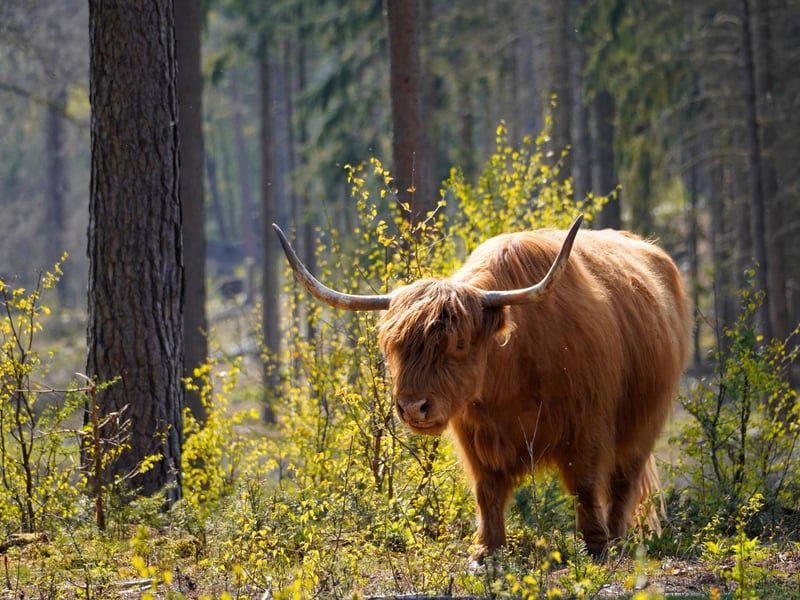
September or “An t-Sultain” is said to mean “the fattening time” in Gaelic. As the warm months drew to a close, people were preparing for the deathly winter by fattening their cattle so as to ensure their survival. Villages knew that harsh conditions were on the horizon so fattening livestock (as well as themselves) was crucial. Gaels were very in touch with their natural environment and that even reflects the behaviour of local fauna e.g., squirrels prepare their winter stores and fatten up during September. | EllyMiller via Canva Pro
10. October | An Dàmhair
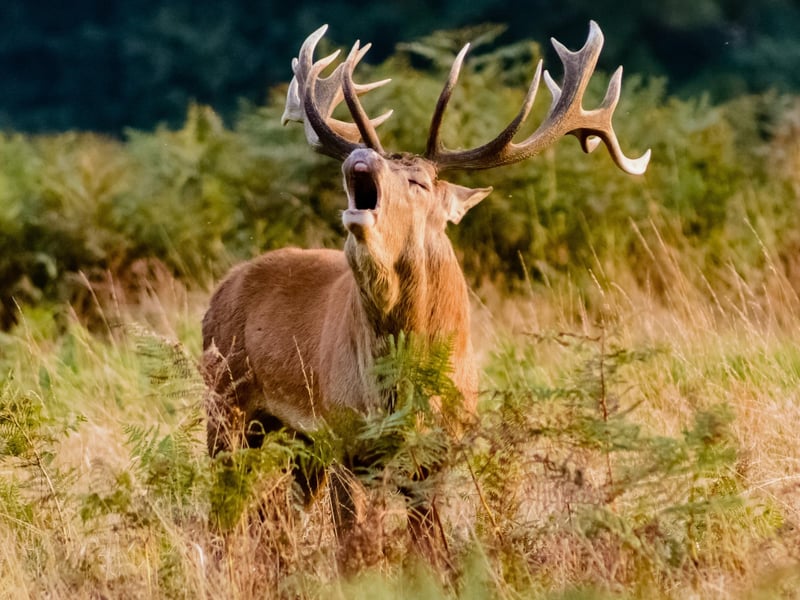
October was a time of festivals, feasting and fine ales which were brewed from hard-earned harvesting. Essentially, it was one final ‘hurrah’ before stocking up on supplies and knuckling down for the cold season ahead. In the wild, Red Deer Stags would begin bellowing and rutting; a process by which the males compete with one another in the interests of securing a mate. This is why the month is known as “An Dàmhair” in reference to stags (damh) as it has been translated as “deer roaring time” according to Nature Scot. | 627389 from pixabay
11. November | An t-Samhain
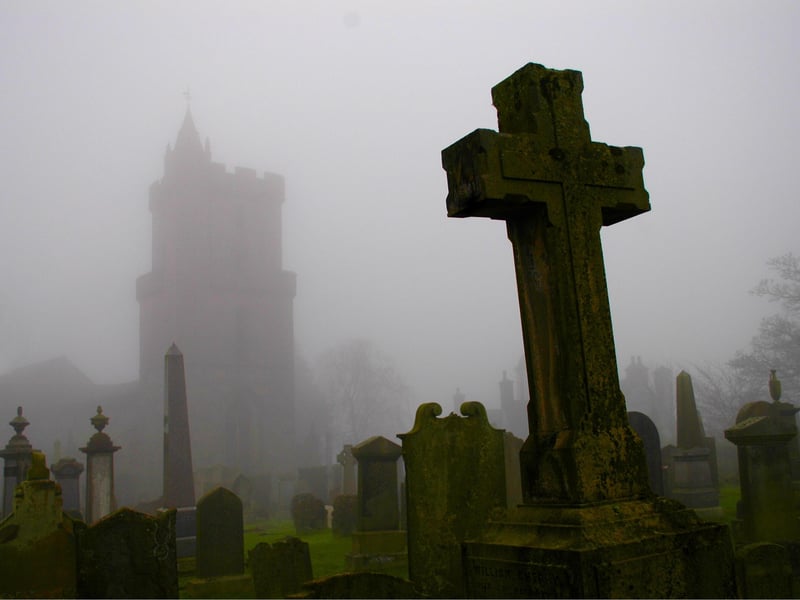
To mark the passage from summer to winter (and symbolically life to death) Gaels enjoyed a final feast and had a special festival which today is known as Halloween. Back then, Halloween or “Samhain” was a time used to deter evil spirits and seek blessings for a gentle winter. Originally, the event did not last just one day as it does now, but regardless the whole month of November is named after it given its importance. In Old Irish, an ancestor of Scots Gaelic, the term “Samhain” is said to mean “summer’s end”. | Stephen Buwert from Getty Images
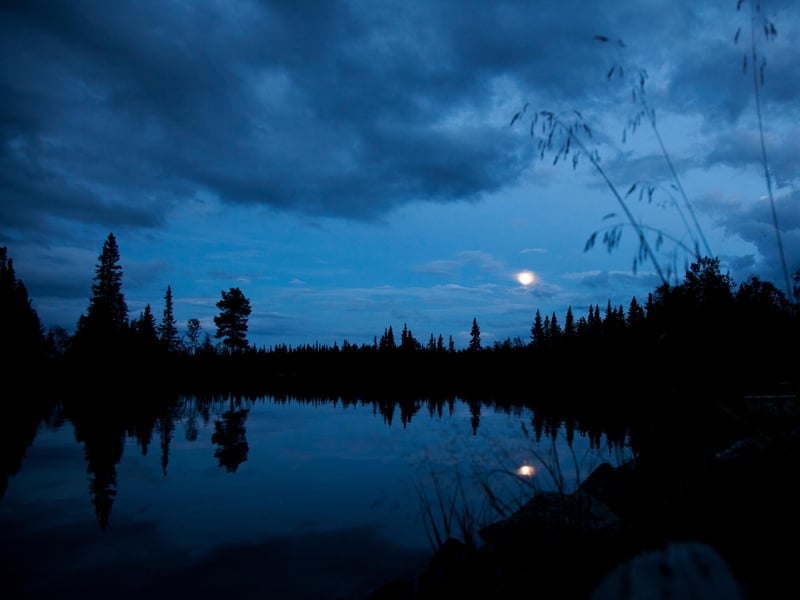
12. December | An Dùbhlachd
Ireland and Scotland are both heartlands of Gaelic languages; the two are mutually intelligible at some level but distinct from one another as well. In Irish Gaelic, December is known as “Mí na Nollag” which means the month of Christmas. In Scottish Gaelic, however, it is just known as “an Dùbhlachd” which basically means the “blackness” or “darkness” (uplifting!) As noted earlier, the Scots Gaelic tongue is largely built on natural observations and reflects our Gaels’ appreciation of nature, so the translation should come as no surprise. | Helene Remoy from Getty Images