
Why Scotland's coal mines are source of hope in fight against climate change
Many people in Scotland’s Central Belt could benefit from low-carbon district heating projects using warm water from old mineworks

When it comes to global warming, sad to say I am a confirmed ‘doomster and gloomster’. Not that I think humanity is facing an inevitable extinction anytime soon, but rather that we are only going to be motivated to take it sufficiently seriously when the tangible effects become sufficiently scary.
This is based on the past 40 years or so in which, despite scientists’ warnings and helpful, practical suggestions about how to avoid “dangerous” climate change, we have carried on increasing the carbon emissions that are driving the process. It seems we are determined to find out what “dangerous”, in this context, really means.
It should be remembered that even when these emissions finally start to fall, the mercury will keep on rising. It is only when we reach the increasingly controversial goal of ‘net zero’ that the world will stop warming – assuming we avoid triggering ‘tipping points’ that could result in nature taking over where we have left off.
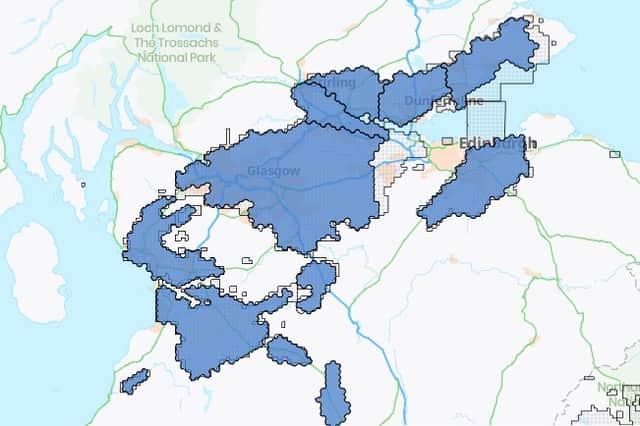

Quarter of UK homes built over a mine
So, for me, signs of hope are few and far between – and the bottom of a deep, dark and dank coal mine would be one of the last places I would go looking when trying to find it. More fool me.
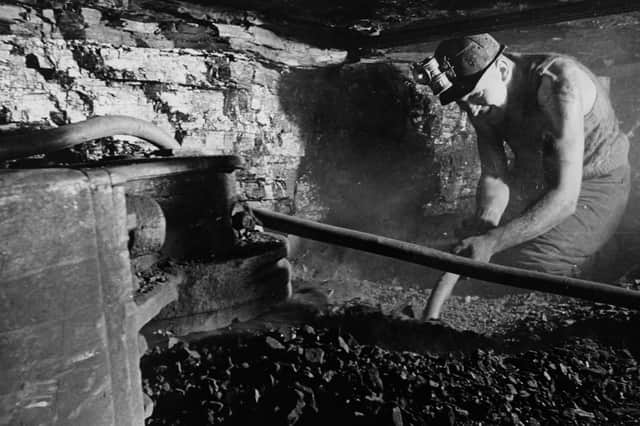
For, as the people who worked them will know only too well, mines tend to be rather warm places and they are also prone to filling up with water – and lots of warm water is a useful source of energy.
According to the Mining Remediation Authority, the UK has “extensive coalfields” and it is estimated that 25 per cent of homes and businesses are built above a mine. Water temperatures in them are typically between 10 and 20 degrees Celsius but can reach 40C at depths of about a kilometre. Basically the deeper the mine, the warmer the water, following what’s known as the “geothermal gradient”.
Heat pumps and exchangers can be used to recover and concentrate the heat, for distribution through a network of pipes to homes, businesses and buildings.
“Water within the mines is warmed by natural processes and can, if sustainably managed, provide a continuous supply of heat. Mine water temperatures are not affected by seasonal variations and, subject to the right support, mine water can provide renewable, secure, low-carbon heating for buildings in coalfield areas,” the authority says.
“With heating accounting for 40 per cent of energy use in the UK, mine water heat could improve the sustainability of the places where we live and work. Mine water heat could also play a part in the UK’s efforts to tackle climate change and support its net-zero future.”
Growing optimism
The authority has been working with the council-owned Gateshead Energy Company on just such a system. Since beginning operation in 2023, it has been using water from mines 150 metres below the town centre to heat Gateshead College, the Baltic Arts Centre, several offices and hundreds of council-owned homes, with plans for expansion.
Messing about with old coal mines might not sound like a good idea to some. However, ‘myth-busting’ research published this month found high success rates for drilling the necessary boreholes. Out of 564 drilled across the UK – for various reasons, including monitoring, gas venting or water abstraction – 87 per cent were successful in achieving their stated aim, while there was a 97 per cent success rate for boreholes deeper than 300 metres where mine plans were more accurate.
Lee Wyatt, senior hydrogeologist at the Mining Remediation Authority, said: “This study shows that drilling into coal mine workings is not the high-risk activity it’s often perceived to be. With the right planning, design, and expertise, success rates are high, and this opens the door for more confident investment in mine-water heat networks. This has the ability to decarbonise heat, reduce energy bills, and regenerate former coalfield communities.”
With decarbonising home heating proving problematic as many people, including me, still rely on a gas boiler, all this warm water beneath our feet feels like a godsend that we should be moving heaven and earth to exploit.
Romans used hot springs to heat homes
I only hope that we still have the deep-mining expertise to utilise this technology to its fullest extent. Perhaps we will have to ask some elderly miners to come out of retirement for a final hurrah for the good of their country.
If only we had thought about this more seriously when the mines were closing. Sources of geothermal heating have been used successfully around the world for millennia – the ancient Romans used hot springs to heat people’s homes in Pompeii, for example – so the idea should not have been entirely alien to us.
As the North Sea oil and gas industry declines, a similar loss of expertise – this time, in marine engineering skills that could be used in the offshore wind industry – is a live issue. Both government and industry need to be alive to new opportunities and the consequences of letting them slip through our fingers.
It all feels rather ironic that a leftover by-product of the most polluting form of fossil fuel could give us an apparently abundant supply of low-carbon energy. But it’s not as ironic as miners working in sweltering conditions in the deepest mines, while pumps strained to keep the shafts free of water, to dig out vast amounts of coal, that was then hauled to the surface, processed and sent all around the country in trucks to be burned in order to heat our homes to a lower temperature than in the mines.
Perhaps it’s not quite as profitable, but just using the hot water certainly seems a good deal simpler.
Comments
Want to join the conversation? Please or to comment on this article.