
Why Scottish independence supporters should consider not voting SNP this May
Defeat for the SNP in the Scottish Parliament elections could be the best outcome for the cause of leaving the UK

There is one outcome of the forthcoming Scottish Parliament election on which most observers can agree: the SNP is likely to emerge, yet again, with the highest number of MSPs.
First Minister John Swinney will not be able to repeat predecessor Alex Salmond’s 2011 success in leading the party to an unprecedented majority, but victory in May will make a remarkable run of five wins in a row for the nationalists. If the SNP goes on to serve a full five-year term in office, it will have been in power for 24 consecutive years when the next contest comes around in 2031.
No one can deny this is a highly impressive political feat, not least because it has been achieved by a party that is diametrically opposed to the constitutional set-up under which it has clearly thrived. But the longer a party is in office, the more likely it is to run out of steam and start taking its voters for granted.


Swinney: ‘We’ve reached limits of devolution’
SNP critics would argue the party passed this point a long time ago. And there are reasons why even the party’s most ardent supporters might like to see it given a shake – or even a spell in opposition.
Launching his party’s latest drive for independence in October, Swinney himself said: “We’re reaching, or have reached, the limits of devolution.”
If this is true, supporters of independence might very well ask themselves whether they risk damaging the cause, rather than advancing it, by voting the SNP into power for another wearying five years.
In 2011, Salmond cemented the SNP’s political transformation from a party of protest to one of government by demonstrating a degree of competence in office. At the time, support for the party was higher than support for independence, and so the constitutional question took a back seat.
Today, the reverse is the case, with polls consistently putting support for independence close to 50 per cent. The First Minister and his Cabinet seem to talk of little else, with every failure blamed on Scotland’s place within the UK. As those failures continue to mount, the strategy of blaming everything on Westminster wears increasingly thin and the memory of an SNP with a reputation for competent governance becomes ever more distant.
No Westminster government is likely to grant the SNP another independence referendum unless its leader can emulate Salmond in 2011 by achieving a majority at Holyrood.
And now, after 19 years in power, the SNP’s record in office hangs around its neck like an albatross. Each passing week, the government seems to present potential supporters with new reasons not to vote for it, whether on education, health, law and order, or the mishandling of Holyrood’s limited economic powers.

The independence cause relies on a popular SNP. On its current trajectory, the party seems very unlikely to be any more popular after 24 years in power than it is after 19.
With this being the case, many would-be supporters might lend their votes elsewhere in May or simply stay at home. Perhaps the cause would be better served by the SNP spending the next five years in opposition at Holyrood. The movement arguably needs time for introspection to prepare for a fresh offensive.
If enough people who voted or would have voted Yes in 2014 are thinking along these lines, the SNP could perform worse than polls suggest.
With dozens of MSPs standing down, and perhaps just Swinney and Labour’s Jackie Baillie remaining from the original class of ’99, the aftermath of the election will be like the first day at school as Holyrood’s new intake try to find their tribes.
Making friends in the Holyrood playground
In a playground as divided as ever down constitutional lines, the SNP and the Greens will no doubt be drawn to each other while no one else wants to play with them. Likewise, the Tories and Reform might find common cause as they are shunned by the rest.
The record-breakingly unpopular Labour Prime Minister Sir Keir Starmer has done Anas Sarwar’s prospects far more harm than Swinney ever could, but Scottish Labour could still conceivably buddy up with the Liberal Democrats.
Of all these possible pairings, the SNP and the Greens seems most likely to command a majority of 65 or more MSPs. But Swinney has done well to repair his party’s standing in the polls after the collapse of the 2021 Bute House Agreement with Patrick Harvie, Lorna Slater, Ross Greer et al.
Swinney’s predecessor Humza Yousaf learned to his cost the dangers of getting too close to the polarising parliamentary group that is sometimes disparagingly referred to as the SNP’s gardening wing.
Some sort of repeat arrangement would allow the First Minister to get his budget and other legislation passed, but would it be worth the candle?
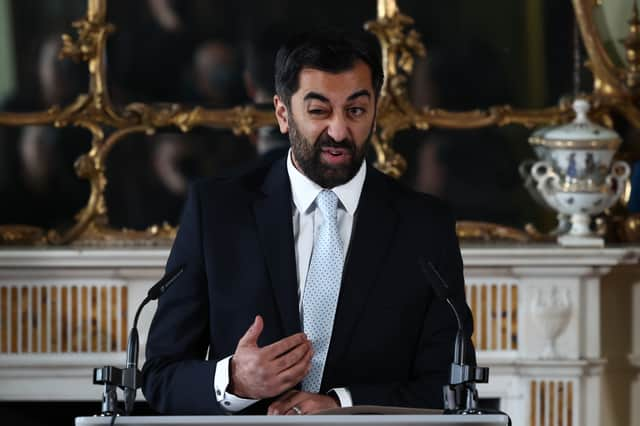
What benefit would it be to the independence movement to have another knackered SNP government, perhaps once again beholden to the Scottish Greens, lurching from crisis to crisis as the prospect of separation from the rest of the UK becomes ever more of a pipe dream?
Would it not make more sense for the party to regroup and recharge, unburdened by the demands of office – under the leadership of someone fresher, more dynamic and charismatic than the current incumbent, who can drive a rejuvenated party into battle over the constitution in 2031?
Familiarity breeds contempt, and the more voters see of Scotland’s exhausted party of misgovernment the more they are likely to hold it in contempt. Perhaps the best way to support independence and the SNP this May is not to vote for the party at all.
Comments
Want to join the conversation? Please or to comment on this article.